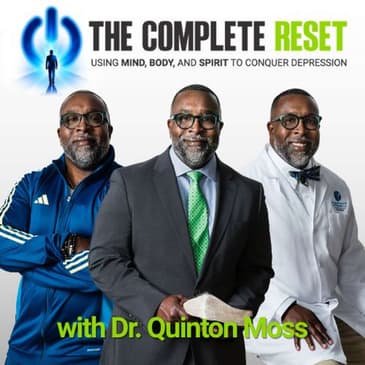
Welcome back to The Complete Reset. In this episode, host and addiction psychiatrist Dr. Quinton Moss tackles one of the most misunderstood topics in recovery: medication-assisted treatment, or MAT. With strong opinions and mixed reactions surrounding MAT, Layla and Dr. Quinton Moss break down what MAT really is and what it isn’t. They dive into how medications support recovery by stabilizing the brain, reducing cravings and withdrawal, and making therapy and mental health care more effective. The conversation explores which conditions MAT treats, addresses common concerns and stigma, and offers clarity for families navigating these crucial decisions. Whether you’re curious about the science, want to understand the myths, or are supporting someone in recovery, this is a vital, compassionate discussion about using every tool available to help people heal.
00:00 How therapy and medication work
04:51 How medications reduce withdrawal cravings
07:27 Risks of active substance use
13:12 How buprenorphine treatment works
14:20 Long-acting buprenorphine and naltrexone
18:50 Medication and therapy options discussed
22:31 Considering medication in recovery
26:39 Different timelines for MAT treatment
28:29 Comprehensive addiction recovery support
32:13 Wrapping up the episode
Insights from "The Complete Reset": Demystifying Medication-Assisted Treatment (MAT) in Recovery
In the latest episode of The Complete Reset, host Dr. Quinton Moss delves into one of the most contentious and misunderstood topics in addiction recovery Medication-Assisted Treatment (MAT). The conversation not only sheds light on the science of MAT but also navigates the complex emotional, social, and even spiritual terrain that surrounds this lifesaving approach. Here are key insights and reflections from their deep and thought-provoking exchange.
MAT: What It Is - And Isn’t
Dr. Quinton Moss opens by clarifying a fundamental misunderstanding: MAT is medication that helps stabilize the brain for people suffering from substance use disorders, not a substitute for one addiction with another. Addiction fundamentally hijacks the brain’s reward system, and certain medications target the same neural receptors as drugs or alcohol. The goal? To reduce withdrawal and cravings so the person can begin returning to a healthier, more stable life.
This medical support is especially critical, as it gives people “a chance to stabilize” enough to benefit from therapy, job support, and repairing their lives, rather than being overwhelmed by all-consuming urges to use.
The Science: How MAT Works in the Brain
At its core, addiction is a brain condition. Dr. Quinton Moss explains that key medications (like methadone and buprenorphine) act on the “mu opioid receptor,” the same site affected by substances such as heroin and fentanyl. However, instead of causing cycles of euphoria and withdrawal, MAT medications normalize brain chemistry, control cravings, and reduce the risk of overdose or dangerous behaviors.
MAT isn’t a magic bullet. For alcohol and opioid use where it’s best studied and FDA-approved, the right medication reduces cravings and creates mental space for therapy to work. As Dr. Quinton Moss puts it, “Without the reduction in cravings… it is difficult for them to stabilize their anxiety or depression”. For methamphetamine and other substances, MAT options are limited, but a combination of behavioral interventions and medications for associated symptoms (e.g., depression, psychosis) can help.
Addressing Stigma: “Isn’t That Replacing One Drug with Another?”
Families frequently worry that MAT is “just another crutch” or simply “replacing one substance with another.” Dr. Quinton Moss addresses this misconception head-on: Use of illicit substances comes with high risk, infectious disease, legal trouble, and death. MAT, when properly prescribed and monitored, significantly reduces these risks and helps people rebuild their lives.
He also draws an analogy with diabetes: We’d never shame someone with diabetes for needing insulin, so why stigmatize someone needing medications to treat a brain condition? This reframing is crucial for people of faith or those struggling to reconcile personal values and modern medicine.
Individualized Treatment and Recovery Journeys
Not everyone needs or wants MAT, Dr. Quinton Moss acknowledges. The key is patient-centered care: evaluating medical history, personal goals, and support systems. While the evidence supports MAT as a first-line option, some succeed without it, and duration varies. MAT is not one-size-fits-all some use it for months, others for years or longer, depending on what recovery and stability look like for them.
MAT Is More Than Medication
Perhaps the most powerful takeaway is that MAT is never “just a pill.” The prescription must be paired with counseling, community, job support, and long-term planning. This integrated approach addresses the person as a whole, not just their symptoms.
A Call for Compassion (and an End to Stigma)
Dr. Quinton Moss closes with a reminder that the drugs used today are more potent and dangerous than those of even twenty years ago. The brains and lives affected by addiction are often in more peril and need every effective tool available. Everyone’s recovery looks different, and no one should be shamed for taking the path that keeps them safe and helps them heal.
This conversation is a must-listen for anyone touched by addiction, reminding us that recovery is about hope, healing, and removing barriers to care. MAT isn’t an “easy way out.” It's a compassionate, evidence-based lifeline.
Podcast's Website - https://thecompleteresetpodcast.com/
Dr. Quinton Moss - https://thecompleteresetpodcast.com/about
Dr. Quinton Moss' Clinic - https://mpwhealth.com/
Dr. Quinton Moss LinkedIn - https://www.linkedin.com/in/quinton-moss-md-86a336149/
Podcast Partner - https://tophealth.care/